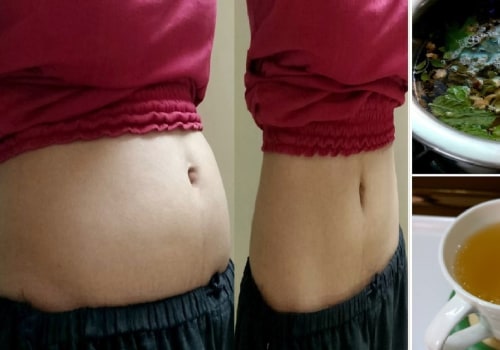
Green tea, a beverage steeped in history and tradition, has captivated the hearts of many across the globe. Originating from the Camellia sinensis plant, this tea has been consumed for thousands of years, particularly in Asian cultures, where it is celebrated not only for its refreshing taste but also for its myriad health benefits. The journey of green tea began in ancient China, where it was first used as a medicinal drink. Over time, its popularity spread to Japan and other parts of the world, evolving into various forms and preparations that cater to diverse palates. The composition of green tea is what sets it apart from other types of tea.
Unlike black tea, which undergoes oxidation, green tea is minimally processed, allowing it to retain a higher concentration of beneficial compounds. Key components include catechins , a type of antioxidant that plays a crucial role in promoting health. Among these catechins, epigallocatechin gallate (EGCG) stands out for its potent effects on metabolism and fat oxidation. Additionally, green tea contains caffeine , which can enhance energy levels and improve focus. Beyond its delightful flavor and invigorating properties, the health benefits of green tea are extensive.
Research has shown that regular consumption may lead to improved brain function, reduced risk of chronic diseases such as heart disease and diabetes, and even potential weight loss support. As we delve deeper into the science behind these claims, it becomes evident that understanding the origins and composition of green tea is essential for appreciating its role in a healthy lifestyle. Research has shown that regular consumption may lead to improved brain function, reduced risk of chronic diseases such as heart disease and diabetes, and even potential weight loss support. As we delve deeper into the science behind these claims, it becomes evident that understanding the origins and composition of green tea is essential for appreciating its role in a healthy lifestyle.
The Science Behind Green Tea and Weight Loss
Understanding the relationship between green tea and weight loss requires a closer look at the scientific studies that have investigated this connection. Numerous research efforts have aimed to uncover how the compounds found in green tea can influence weight management and metabolic processes. One of the most significant components of green tea is epigallocatechin gallate (EGCG) , a type of catechin that has been shown to enhance fat oxidation and improve metabolic rate. A study published in the American Journal of Clinical Nutrition found that participants who consumed green tea extract experienced a notable increase in energy expenditure, burning approximately 100 more calories per day compared to those who did not consume it.This suggests that the bioactive compounds in green tea can play a role in boosting metabolism. Another important aspect of green tea's effect on weight loss is its potential to enhance fat burning during exercise. Research indicates that when individuals consume green tea before physical activity, they may experience an increase in fat oxidation. A study conducted with male participants showed that those who ingested green tea extract prior to exercise burned significantly more fat than those who did not. This finding highlights how green tea can be an effective supplement for those looking to maximize their workout results. Moreover, a meta-analysis of multiple studies published in the journal Obesity concluded that green tea consumption is associated with a modest reduction in body weight and body mass index (BMI).
The analysis revealed that individuals who regularly consumed green tea lost an average of 1-3 kg over several weeks, indicating that while it may not be a miracle solution, it can contribute positively to weight loss efforts. It is also essential to consider the role of caffeine present in green tea. Caffeine is known to stimulate the central nervous system, which can lead to increased energy levels and enhanced fat burning. A study published in the Journal of Nutrition found that caffeine consumption, combined with EGCG, resulted in greater fat loss compared to either compound alone. This synergistic effect suggests that both caffeine and EGCG work together to promote weight loss. In summary, while drinking green tea alone may not lead to significant weight loss, its combination of catechins and caffeine can enhance metabolic rate and fat oxidation, especially when paired with a healthy diet and regular exercise.
The scientific evidence supports the idea that incorporating green tea into your daily routine could be a beneficial strategy for those aiming to manage their weight effectively.
Key Compounds in Green Tea: EGCG and Caffeine
Green tea is renowned for its numerous health benefits, largely attributed to its rich composition of bioactive compounds. Among these, epigallocatechin gallate (EGCG) and caffeine stand out as key players in enhancing metabolism and promoting fat burning.Understanding EGCG
EGCG is a type of catechin, a class of antioxidants found in green tea. This powerful compound has been extensively studied for its potential health benefits, particularly in relation to weight management. Research indicates that EGCG can:- Boost Metabolism: EGCG has been shown to increase metabolic rate, which can lead to more calories burned throughout the day.
- Enhance Fat Oxidation: Studies suggest that EGCG may enhance fat oxidation during exercise, making it a valuable ally for those looking to lose weight.
- Regulate Appetite: Some evidence points to EGCG's ability to help regulate appetite, potentially reducing overall caloric intake.
The Role of Caffeine
Caffeine is another significant component of green tea that contributes to its weight loss benefits.While often associated with increased energy levels, caffeine also plays a role in:
- Stimulating the Central Nervous System: Caffeine can enhance alertness and focus, which may encourage more physical activity.
- Increasing Fat Burning: Research indicates that caffeine can increase the rate of fat burning, especially during exercise, by mobilizing fatty acids from fat tissues.
- Improving Exercise Performance: By reducing perceived exertion, caffeine may help individuals push harder during workouts, leading to greater calorie expenditure.
Green Tea vs. Green Tea Extract: What’s the Difference?
When it comes to the benefits of green tea, many people often find themselves at a crossroads: should they drink traditional green tea or opt for concentrated green tea extracts? Understanding the differences between these two forms can help you make an informed decision that aligns with your health goals.Green Tea
Drinking green tea is a time-honored practice that has been celebrated for centuries, particularly in Asian cultures.
The beverage is made from the leaves of the Camellia sinensis plant and is rich in antioxidants, particularly catechins, which are known for their health-promoting properties. Regular consumption of green tea can lead to:
- Improved metabolism
- Enhanced fat oxidation
- Better cardiovascular health
- Increased mental clarity and focus
Green Tea Extract
On the other hand, green tea extract is a concentrated form of the beneficial compounds found in green tea. It is often available in capsule or powder form and contains higher levels of catechins and caffeine compared to brewed green tea. Some potential benefits of green tea extract include:
- Higher doses of antioxidants, which may enhance fat burning more effectively than drinking tea alone.
- The convenience of supplementation, making it easier to incorporate into a busy lifestyle.
- The ability to target specific health concerns, such as weight loss or metabolic syndrome, through concentrated doses.
For instance, excessive consumption can lead to side effects such as digestive issues or increased heart rate due to high caffeine content.
Key Differences
The primary difference between drinking green tea and taking extracts lies in the concentration and delivery of beneficial compounds. While brewed green tea provides a moderate amount of antioxidants and caffeine, extracts deliver these compounds in much higher concentrations. This means that while extracts may offer more immediate effects on metabolism and fat burning, they lack some of the holistic benefits associated with drinking the beverage itself.
Ultimately, the choice between green tea and its extract depends on individual preferences and health objectives. For those seeking a natural beverage with additional health benefits beyond weight loss, traditional green tea may be the better option.
Conversely, if you are looking for a more potent dose of antioxidants for specific health goals, green tea extract could be advantageous.
How to Incorporate Green Tea into Your Diet for Weight Loss
Incorporating green tea into your daily diet can be a simple yet effective strategy for weight loss. Here are some practical tips on how to drink green tea for weight loss, the best times to enjoy it, and delicious recipes to make the most of its benefits.How to Drink Green Tea for Weight Loss
To maximize the weight loss benefits of green tea, consider the following:- Choose Quality Tea: Opt for high-quality loose leaf green tea or premium tea bags. The quality of the leaves can significantly impact the flavor and health benefits.
- Steep Properly: Steep your green tea in hot water (not boiling) for about 2-3 minutes. This helps to extract the beneficial compounds without making the tea bitter.
-
Drink Regularly: Aim to consume 2-3 cups of green tea daily.
Consistency is key to experiencing its potential weight loss effects.
Best Times to Drink Green Tea
The timing of your green tea consumption can enhance its effectiveness:- Morning Boost: Start your day with a cup of green tea instead of coffee. The caffeine and L-theanine combination can improve focus and energy levels.
- Pre-Workout: Drinking green tea about 30 minutes before exercising may help increase fat oxidation during your workout.
- Afternoon Pick-Me-Up: Enjoy a cup in the afternoon to stave off cravings and boost metabolism, especially if you feel sluggish after lunch.
Recipes with Green Tea
Incorporating green tea into recipes can add variety and flavor while enhancing its health benefits. Here are a few ideas:- Green Tea Smoothie: Blend 1 cup of brewed green tea (cooled), 1 banana, a handful of spinach, and a tablespoon of honey for a refreshing smoothie.
- Green Tea Infused Rice: Replace water with brewed green tea when cooking rice for an aromatic twist that adds antioxidants to your meal.
- Matcha Energy Bites: Combine 1 cup of oats, 2 tablespoons of matcha powder, 1/4 cup of nut butter, and honey. Roll into balls and refrigerate for a healthy snack.
Potential Side Effects and Considerations of Green Tea Consumption
While green tea is celebrated for its numerous health benefits, it is essential to be aware of potential side effects and considerations associated with its consumption.Understanding these factors can help individuals make informed choices about incorporating green tea into their diets.
Caffeine Sensitivity
One of the primary concerns regarding green tea is its caffeine content. Although it contains less caffeine than coffee, some individuals may still experience sensitivity to caffeine. Symptoms of caffeine sensitivity can include:
- Insomnia: Difficulty falling or staying asleep can occur, especially if green tea is consumed later in the day.
- Anxiety: Increased heart rate and feelings of nervousness may arise in sensitive individuals.
- Digestive Issues: Some people may experience stomach upset or nausea after consuming caffeinated beverages.
Who Should Avoid Green Tea?
While many people can enjoy green tea without adverse effects, certain groups should exercise caution:
- Pregnant and Nursing Women: High caffeine intake during pregnancy can lead to complications. It is recommended that pregnant women limit their caffeine consumption, including from green tea.
- Individuals with Heart Conditions: Those with certain heart conditions should consult a healthcare provider before consuming green tea due to its caffeine content and potential effects on heart rate.
-
People with Liver Issues: Excessive consumption of green tea extracts has been linked to liver damage in some cases.
Individuals with pre-existing liver conditions should seek medical advice before consuming green tea regularly.
Other Considerations
In addition to caffeine sensitivity and specific health conditions, there are other factors to consider when drinking green tea:
- Tannins: Green tea contains tannins, which can inhibit the absorption of certain nutrients, such as iron. Those with iron deficiency should be mindful of their green tea consumption around meal times.
- Medication Interactions: Green tea may interact with certain medications, including blood thinners and some antidepressants. It is crucial to consult a healthcare professional if you are taking medication and wish to include green tea in your routine.
Frequently Asked Questions About Green Tea and Weight Loss
When it comes to green tea and its potential role in weight loss, many people have questions.Below are some of the most frequently asked questions that can help clarify common misconceptions and provide valuable insights.
1.Does drinking green tea really help with weight loss?
While green tea is often associated with weight loss, its effects can vary from person to person. Some studies suggest that the compounds in green tea, particularly EGCG (epigallocatechin gallate) and caffeine, may enhance metabolic rate and promote fat oxidation. However, these effects are generally modest and should be combined with a balanced diet and regular exercise for significant weight loss.2.How much green tea should I drink for weight loss?
The optimal amount of green tea for weight loss is not universally agreed upon, but many studies suggest that consuming 2 to 3 cups per day may be beneficial. This amount can provide a sufficient dose of antioxidants and other beneficial compounds without excessive caffeine intake.3.Are there any side effects of drinking green tea?
For most people, drinking moderate amounts of green tea is safe.However, excessive consumption can lead to side effects such as insomnia, digestive issues, or headaches due to its caffeine content. Individuals sensitive to caffeine should consider low-caffeine options or limit their intake.
4.Can I rely solely on green tea for weight loss?
No, relying solely on green tea for weight loss is not advisable. While it can be a helpful addition to a weight loss plan, it should not replace healthy eating habits or physical activity. A holistic approach that includes a balanced diet and regular exercise is essential for effective weight management.5.Are there any myths about green tea and weight loss?
- Myth: Green tea is a magic bullet for weight loss.
- Myth: Drinking green tea will allow you to eat whatever you want without gaining weight.
- Myth: All green teas are equally effective for weight loss.
While it offers numerous health benefits, it should be viewed as a supportive element rather than a standalone solution. In conclusion, understanding the facts about green tea benefits can empower individuals to make informed choices regarding their health and wellness goals.
Conclusion: The Role of Green Tea in a Healthy Weight Loss Journey
In conclusion, the journey towards effective weight loss is multifaceted, and incorporating green tea can be a valuable component of this process. Throughout this article, we have explored the various benefits of green tea , particularly its potential role in enhancing metabolic rates and promoting fat oxidation. While it is essential to recognize that green tea alone is not a miracle solution for weight loss, its properties can complement a well-rounded diet and exercise regimen. One of the most significant findings is that the bioactive compounds in green tea, such as EGCG (epigallocatechin gallate) and caffeine, work synergistically to boost metabolism. This combination can lead to increased calorie burning, especially during physical activity.Moreover, studies have indicated that regular consumption of green tea may help individuals maintain their weight loss over time by preventing weight regain. However, it is crucial to approach green tea as part of a holistic lifestyle change rather than a standalone remedy. Here are some key takeaways:
- Incorporation into Daily Routine: Drinking green tea regularly can be an enjoyable way to enhance your weight loss efforts. Consider replacing sugary beverages with green tea to reduce overall calorie intake.
- Complementary Effects: For optimal results, combine green tea consumption with a balanced diet rich in whole foods and regular physical activity.
- Mindful Consumption: Pay attention to the timing of your green tea intake. Consuming it at strategic times may maximize its benefits without interfering with sleep or daily activities.
-
Individual Variability: Remember that individual responses to green tea can vary.
Factors such as genetics, lifestyle, and overall health can influence how effectively green tea aids in weight loss.