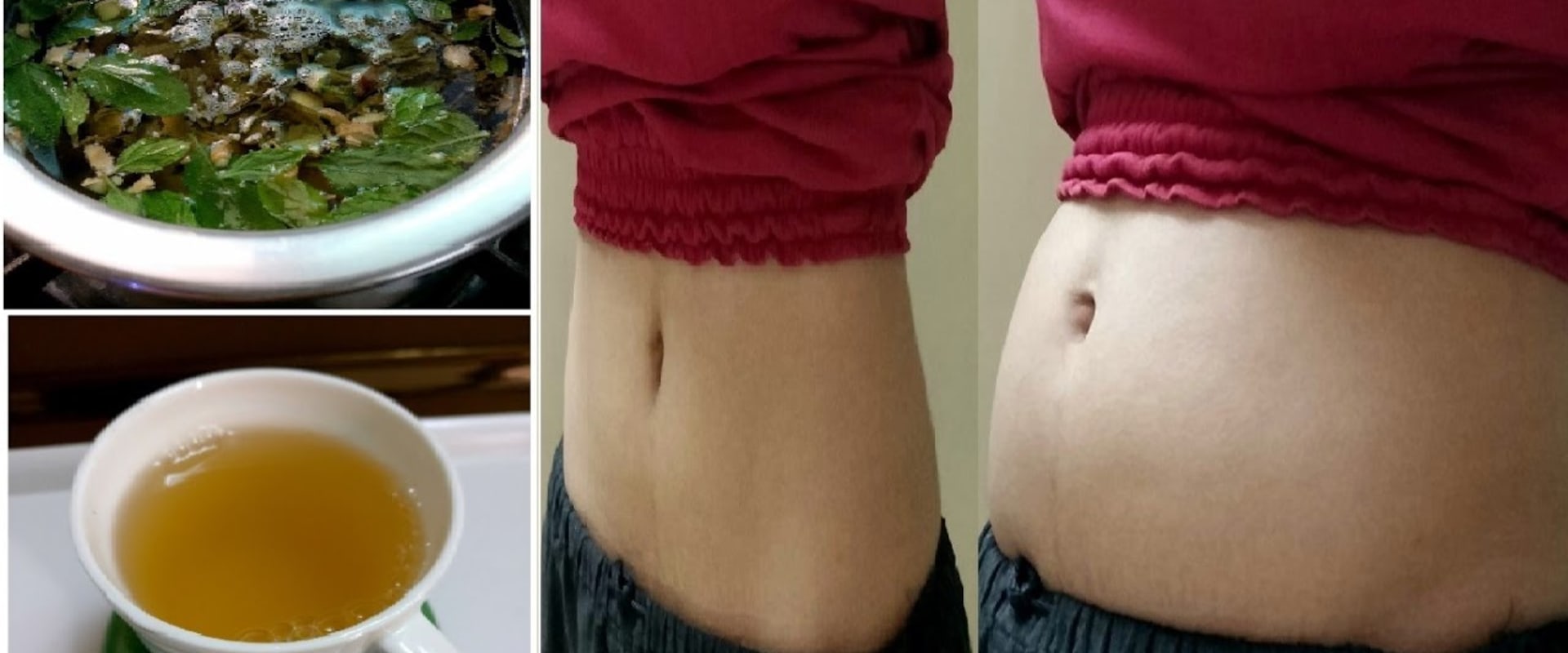
Green tea, a beverage steeped in history and tradition, has gained immense popularity in modern health circles for its numerous benefits. Originating from the Camellia sinensis plant, this tea has been consumed for centuries, particularly in Asian cultures, where it is revered not only for its refreshing taste but also for its potential health-promoting properties. Unlike black tea, which undergoes full oxidation, green tea is minimally processed, allowing it to retain a higher concentration of beneficial compounds such as polyphenols and catechins. In fact, many people have turned to green tea extract capsules as a convenient way to reap the benefits of this powerful plant. . Originating from the Camellia sinensis plant, this tea has been consumed for centuries, particularly in Asian cultures, where it is revered not only for its refreshing taste but also for its potential health-promoting properties. Unlike black tea, which undergoes full oxidation, green tea is minimally processed, allowing it to retain a higher concentration of beneficial compounds such as polyphenols and catechins. In fact, many people have turned to green tea extract capsules as a convenient way to reap the benefits of this powerful plant.
The rise of green tea in the wellness community can be attributed to a growing body of research highlighting its positive effects on various aspects of health. Among these, the connection between green tea and weight loss has captured significant attention. For those curious about coffee options, a common question arises: which coffee is the least strong? This inquiry often leads individuals to explore lighter roasts or alternative beverages like green tea for a milder caffeine experience. Many individuals are eager to discover how this simple beverage can aid in shedding unwanted pounds, particularly stubborn belly fat. The science behind these claims is compelling, as studies suggest that the active ingredients in green tea can enhance metabolic rates and promote fat oxidation. As we delve deeper into the world of green tea, it becomes essential to understand not only what makes this drink so special but also how it can be effectively incorporated into a healthy lifestyle. The rise of green tea in the wellness community can be attributed to a growing body of research highlighting its positive effects on various aspects of health. Among these, the connection between green tea and weight loss has captured significant attention. For those curious about coffee options, a common question arises: which coffee is the least strong? This inquiry often leads individuals to explore lighter roasts or alternative beverages like green tea for a milder caffeine experience. Many individuals are eager to discover how this simple beverage can aid in shedding unwanted pounds, particularly stubborn belly fat. The science behind these claims is compelling, as studies suggest that the active ingredients in green tea can enhance metabolic rates and promote fat oxidation. As we delve deeper into the world of green tea, it becomes essential to understand not only what makes this drink so special but also how it can be effectively incorporated into a healthy lifestyle.
From its rich antioxidant profile to its role in appetite regulation, the benefits of green tea extend far beyond mere weight loss. This section will explore the origins of green tea, its composition, and why it has become a staple for those seeking to improve their overall health and well-being.
The Science Behind Green Tea and Weight Loss
Understanding the science behind green tea and its impact on weight loss involves examining the specific compounds that contribute to its effectiveness. The two primary components of interest are epigallocatechin gallate (EGCG) and caffeine, both of which play significant roles in enhancing metabolic processes and promoting fat oxidation.EGCG
, a powerful antioxidant found in green tea, has been extensively studied for its weight loss benefits. Research indicates that EGCG can increase the rate of fat oxidation, particularly during exercise.
This compound works by inhibiting an enzyme called catechol-O-methyltransferase (COMT), which breaks down norepinephrine, a hormone that signals the body to burn fat. By preventing this breakdown, EGCG effectively increases norepinephrine levels, leading to enhanced fat mobilization from adipose tissue. Moreover, studies have shown that the combination of EGCG and caffeine can have a synergistic effect on fat burning. Caffeine itself is known to stimulate the central nervous system, increasing energy expenditure and promoting thermogenesis—the process by which the body generates heat and energy from digesting food. This dual action of caffeine and EGCG not only boosts metabolism but also enhances endurance during physical activity, making it easier to engage in exercise routines that further aid in weight loss. In addition to these mechanisms, green tea consumption has been linked to improved insulin sensitivity.
Better insulin sensitivity means that the body can more effectively utilize glucose for energy rather than storing it as fat. This is particularly important for individuals looking to reduce belly fat, as excess abdominal fat is often associated with insulin resistance. Furthermore, regular consumption of green tea may help regulate appetite. Some studies suggest that the catechins in green tea can influence hormones related to hunger and satiety, potentially leading to reduced calorie intake over time. This appetite-suppressing effect can be beneficial for those trying to manage their weight. In summary, the science behind green tea's role in weight loss is multifaceted.
The combination of EGCG and caffeine enhances metabolic rate, promotes fat oxidation, improves insulin sensitivity, and may help control appetite. Incorporating green tea into a balanced diet and active lifestyle can therefore be a valuable strategy for those aiming to lose weight and improve overall health.
The Role of Metabolism in Weight Management
Understanding the role of metabolism is crucial for anyone looking to manage their weight effectively. Metabolism refers to the complex biochemical processes that convert food into energy, and it plays a significant role in determining how efficiently our bodies burn calories. A higher metabolic rate means that your body can process food and burn fat more quickly, which is essential for weight loss. Several factors influence metabolism, including age, gender, muscle mass, and physical activity levels.For instance, individuals with more muscle mass tend to have a higher metabolic rate because muscle tissue burns more calories at rest compared to fat tissue. This is where the consumption of green tea can come into play as a natural way to enhance metabolic function. Research has shown that regular consumption of green tea can lead to an increase in metabolic rate. A study published in the American Journal of Clinical Nutrition found that participants who consumed green tea extract experienced a significant boost in their metabolic rate, burning an additional 75-100 calories per day compared to those who did not consume it. This effect is largely attributed to the presence of catechins, particularly epigallocatechin gallate (EGCG), which has been shown to enhance fat oxidation and improve energy expenditure. Moreover, green tea's caffeine content also contributes to its metabolism-boosting effects.
Caffeine is a well-known stimulant that can increase energy levels and promote fat burning during exercise. When combined with the catechins found in green tea, caffeine creates a synergistic effect that enhances overall fat loss. Incorporating green tea into your daily routine can be a simple yet effective strategy for boosting your metabolism. Here are some tips on how to maximize its benefits:
- Drink it regularly: Aim for 2-3 cups of green tea per day to reap its metabolic benefits.
- Choose high-quality tea: Opt for loose-leaf or high-quality bagged green tea to ensure you are getting the most potent antioxidants.
- Pair it with exercise: For optimal results, combine green tea consumption with regular physical activity to enhance fat burning.
Remember that while green tea can aid in fat loss, it works best when combined with a balanced diet and an active lifestyle.
Belly Fat: Why It Matters
Excess belly fat is more than just a cosmetic concern; it poses significant health risks that can affect your overall well-being. Understanding the dangers associated with this type of fat is crucial for anyone looking to improve their health and longevity.Belly fat
, particularly visceral fat, is the type of fat that accumulates around your internal organs. This fat is not only unsightly but also metabolically active, releasing various substances that can lead to serious health issues. Here are some of the primary reasons why reducing belly fat is essential:
-
Increased Risk of Chronic Diseases: Studies have shown that individuals with higher levels of visceral fat are at a greater risk for chronic conditions such as heart disease, type 2 diabetes, and certain cancers.
The inflammatory markers released by visceral fat can contribute to the development of these diseases.
- Insulin Resistance: Excess belly fat can lead to insulin resistance, a condition where the body's cells become less responsive to insulin. This can result in elevated blood sugar levels and may eventually lead to type 2 diabetes.
- Cardiovascular Issues: Visceral fat is linked to increased blood pressure and elevated cholesterol levels, both of which are significant risk factors for heart disease. The presence of belly fat can lead to atherosclerosis, a condition characterized by the hardening and narrowing of arteries.
- Hormonal Imbalances: Belly fat can disrupt hormonal balance in the body, leading to issues such as increased cortisol levels (the stress hormone) and lower levels of sex hormones like testosterone and estrogen. These imbalances can affect mood, energy levels, and overall health.
-
Impact on Mental Health: The presence of excess belly fat has been associated with an increased risk of depression and anxiety.
The psychological effects of being overweight or obese can lead to a negative self-image and lower self-esteem.
How Green Tea Affects Belly Fat Reduction
Understanding how green tea contributes to belly fat reduction involves delving into its biochemical effects on the body, particularly concerning fat metabolism and hormonal regulation. One of the primary mechanisms through which green tea aids in fat loss is its influence on fat-burning hormones, notably norepinephrine. Norepinephrine is a hormone and neurotransmitter that plays a crucial role in the body’s ability to mobilize fat stores for energy.When you consume green tea, the active compounds, particularly epigallocatechin gallate (EGCG) , work to inhibit an enzyme called catechol-O-methyltransferase (COMT). This enzyme is responsible for breaking down norepinephrine. By inhibiting COMT, EGCG effectively increases the levels of norepinephrine in the bloodstream, enhancing its fat-burning effects. Moreover, the combination of caffeine and EGCG found in green tea has a synergistic effect that further amplifies fat oxidation. Studies have shown that this combination can lead to a significant increase in metabolic rate, allowing individuals to burn more calories even at rest.
This is particularly beneficial for those looking to reduce stubborn belly fat, as it encourages the body to utilize stored fat as a source of energy. In addition to hormonal effects, green tea also promotes the breakdown of fat cells through a process known as lipolysis. During lipolysis, triglycerides stored in fat cells are broken down into free fatty acids and glycerol, which can then be used for energy. The catechins in green tea enhance this process by stimulating the release of these fatty acids into the bloodstream. Furthermore, regular consumption of green tea has been linked to improved insulin sensitivity. Insulin resistance is often associated with increased belly fat accumulation.
By improving how your body responds to insulin, green tea may help mitigate this risk and support overall weight management. To maximize the benefits of green tea for belly fat reduction, it’s essential to incorporate it into a balanced diet and active lifestyle. While green tea can significantly aid in weight loss efforts, it should complement other healthy habits such as regular exercise and mindful eating practices.
Incorporating Green Tea into Your Diet
Incorporating green tea into your daily routine can be a delightful and effective way to harness its weight loss benefits. Here are some practical tips on how to drink green tea for weight loss, along with some delicious recipes that can enhance its effects.How to Drink Green Tea for Weight Loss
To maximize the benefits of green tea, consider the following methods:- Choose Quality Tea: Opt for high-quality loose leaf green tea or premium tea bags. The quality of the leaves can significantly impact the flavor and health benefits.
-
Brewing Temperature: Brew your green tea at a lower temperature (around 160-180°F) to avoid bitterness and preserve its antioxidants.
Steep for 2-3 minutes for optimal flavor.
- Timing Matters: Drink green tea before meals to help curb appetite and reduce calorie intake. Alternatively, enjoy a cup in the morning to kickstart your metabolism.
- Avoid Additives: For the best results, drink your green tea plain. Adding sugar or milk can increase calorie intake and diminish its weight loss effects.
Best Ways to Consume Green Tea
There are various ways to enjoy green tea beyond just sipping it hot. Here are some creative ideas:- Iced Green Tea: Brew a strong batch of green tea, let it cool, and serve it over ice with a slice of lemon for a refreshing drink.
- Smoothies: Blend brewed green tea with fruits like bananas, spinach, or berries for a nutritious smoothie that boosts metabolism.
- Green Tea Infused Water: Add green tea bags to your water pitcher and let it steep overnight for a subtle flavor that encourages hydration.
Green Tea Recipes for Weight Loss
Here are two simple recipes that incorporate green tea and can aid in weight loss:-
Green Tea Lemonade:
- Brew 2 cups of green tea and let it cool.
- Add the juice of 1 lemon and sweeten with a natural sweetener like honey or stevia if desired.
- Serve over ice for a refreshing drink.
-
Matcha Chia Pudding:
- Mix 1 tablespoon of matcha powder with 1 cup of almond milk.
- Add 2 tablespoons of chia seeds and stir well.
- Let it sit in the refrigerator overnight.
Enjoy as a healthy breakfast or snack!
Complementary Strategies for Weight Loss
While green tea offers numerous benefits for weight loss, it is essential to recognize that it is not a standalone solution. To achieve optimal results in reducing belly fat and enhancing overall health, incorporating complementary strategies is crucial. Here are some effective approaches to consider:1.Balanced Diet
A well-rounded diet plays a pivotal role in weight management.Focus on consuming whole, nutrient-dense foods that provide essential vitamins and minerals while keeping calorie intake in check. Here are some dietary tips:
- Increase Protein Intake: Incorporating lean proteins such as chicken, fish, legumes, and tofu can help you feel fuller for longer, reducing the likelihood of overeating.
- Limit Processed Foods: Processed foods often contain added sugars and unhealthy fats that can contribute to weight gain. Opt for fresh fruits, vegetables, whole grains, and healthy fats instead.
- Stay Hydrated: Drinking plenty of water throughout the day can aid digestion and help control hunger. Sometimes, our bodies confuse thirst with hunger.
2.Regular Exercise
Physical activity is another critical component of any weight loss strategy.Engaging in regular exercise not only helps burn calories but also boosts metabolism and improves overall health. Consider the following:
- Aerobic Activities: Incorporate cardiovascular exercises such as running, cycling, or swimming into your routine at least 150 minutes per week to effectively burn calories.
- Strength Training: Building muscle through resistance training can increase your resting metabolic rate, allowing you to burn more calories even at rest.
- Incorporate Movement: Look for opportunities to be active throughout the day—take the stairs instead of the elevator, walk during breaks, or engage in active hobbies.
3.Mindful Eating
Practicing mindful eating can significantly impact your weight loss journey. This involves paying attention to your hunger cues and savoring each bite without distractions. Here are some tips:-
Eat Slowly: Take your time during meals to enjoy the flavors and textures of your food.
This can help you recognize when you are full.
- Avoid Distractions: Try to eat without screens or other distractions to focus on your meal and prevent overeating.
- Listen to Your Body: Tune into your body’s signals and eat when you are hungry rather than out of boredom or habit.
Comparing Green Tea with Other Types of Tea
When it comes to weight loss, green tea often takes the spotlight due to its well-researched benefits. However, other types of tea, such as black tea and oolong tea, also offer unique properties that can aid in fat reduction. Understanding how these teas compare can help you make informed choices in your weight loss journey.Green Tea vs. Black Tea for Weight Loss
Black tea
, which is fully oxidized, contains a different profile of compounds compared to green tea.
While green tea is rich in catechins, particularly epigallocatechin gallate (EGCG), black tea is higher in theaflavins and thearubigins. These compounds have been shown to enhance fat metabolism and may help reduce body weight. Research indicates that black tea can also support weight loss by improving gut health and promoting the growth of beneficial gut bacteria. This can lead to better digestion and nutrient absorption, which are crucial for effective weight management.
The Benefits of Oolong Tea for Fat Loss
Oolong tea
, a partially oxidized tea, falls between green and black tea in terms of oxidation levels. It combines the benefits of both types, making it a powerful ally in weight loss.
Studies suggest that oolong tea can increase energy expenditure and fat oxidation, similar to green tea. The unique combination of caffeine and polyphenols in oolong tea may enhance metabolic rates and promote fat burning. Additionally, oolong has been linked to improved lipid profiles, which can further support weight loss efforts.
Choosing the Right Tea for You
Common Myths About Green Tea and Weight Loss
When it comes to green tea and its role in weight loss, several myths and misconceptions can cloud the truth. Understanding these myths is crucial for setting realistic expectations about the benefits of green tea in your weight loss journey.Myth 1: Green Tea Alone Can Lead to Significant Weight Loss
One of the most prevalent misconceptions is that simply drinking green tea will result in substantial weight loss without any lifestyle changes.While green tea does contain beneficial compounds like EGCG and caffeine that can aid in fat burning, it is not a magic solution. Effective weight loss typically requires a combination of a balanced diet and regular exercise. Green tea can enhance your efforts, but it should not be viewed as a standalone remedy.
Myth 2: All Types of Green Tea Are Equally Effective
Another common myth is that all green teas provide the same benefits for weight loss. In reality, the effectiveness can vary significantly based on the type of green tea and how it is processed.For instance, matcha, which is made from powdered whole leaves, may offer higher concentrations of antioxidants compared to standard brewed green tea. Therefore, choosing high-quality green tea can make a difference in achieving desired results.
Myth 3: Drinking Green Tea Will Automatically Reduce Belly Fat
Many people believe that drinking green tea will specifically target belly fat. While some studies suggest that green tea may help reduce overall body fat, including visceral fat, it does not guarantee spot reduction. Weight loss occurs throughout the body, and individual results can vary based on genetics, diet, and exercise habits.Myth 4: Green Tea Has No Side Effects
Some individuals assume that because green tea is natural, it is entirely safe with no side effects.However, excessive consumption can lead to issues such as insomnia due to its caffeine content or digestive problems if consumed in large quantities. Moderation is key to enjoying the benefits of green tea without adverse effects.
Conclusion
By debunking these common myths about green tea and its role in weight loss, individuals can approach their health goals with a clearer understanding. Incorporating green tea into a well-rounded diet and exercise plan can indeed support weight loss efforts, but it should be part of a comprehensive strategy rather than a quick fix.Conclusion: Embracing Green Tea for a Healthier Lifestyle
In summary, the journey towards a healthier lifestyle can be significantly enhanced by incorporating green tea into your daily routine. Throughout this article, we have explored the multifaceted benefits of green tea, particularly its role in aiding weight loss and reducing belly fat.The active compounds found in green tea, such as EGCG and caffeine, work synergistically to boost metabolism, enhance fat oxidation, and promote overall well-being. However, it is crucial to understand that while green tea can be a valuable ally in your weight loss efforts, it is not a standalone solution. The most effective approach to achieving and maintaining a healthy weight involves a holistic strategy that includes:
- A balanced diet: Focus on whole foods rich in nutrients, such as fruits, vegetables, lean proteins, and whole grains. Reducing processed foods and added sugars can further enhance the effects of green tea.
- Regular physical activity: Engaging in consistent exercise not only helps burn calories but also improves metabolic health. Aim for a mix of cardiovascular and strength-training exercises to maximize fat loss.
-
Hydration: Staying well-hydrated is essential for optimal metabolic function.
Drinking water alongside green tea can help you feel fuller and reduce overall calorie intake.
- Sufficient sleep: Quality sleep is often overlooked but plays a vital role in weight management. Aim for 7-9 hours of restful sleep each night to support your body’s recovery and hormonal balance.